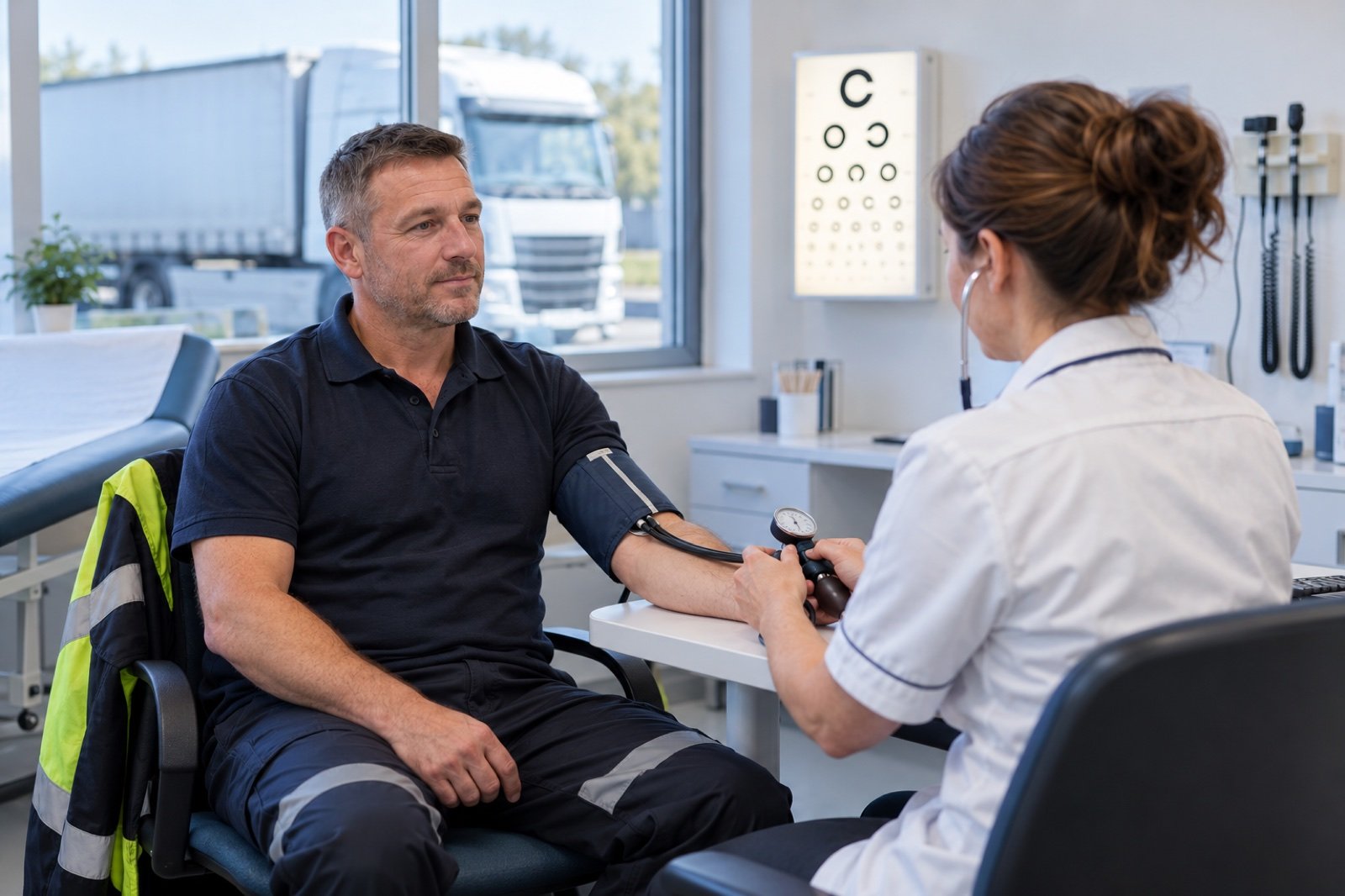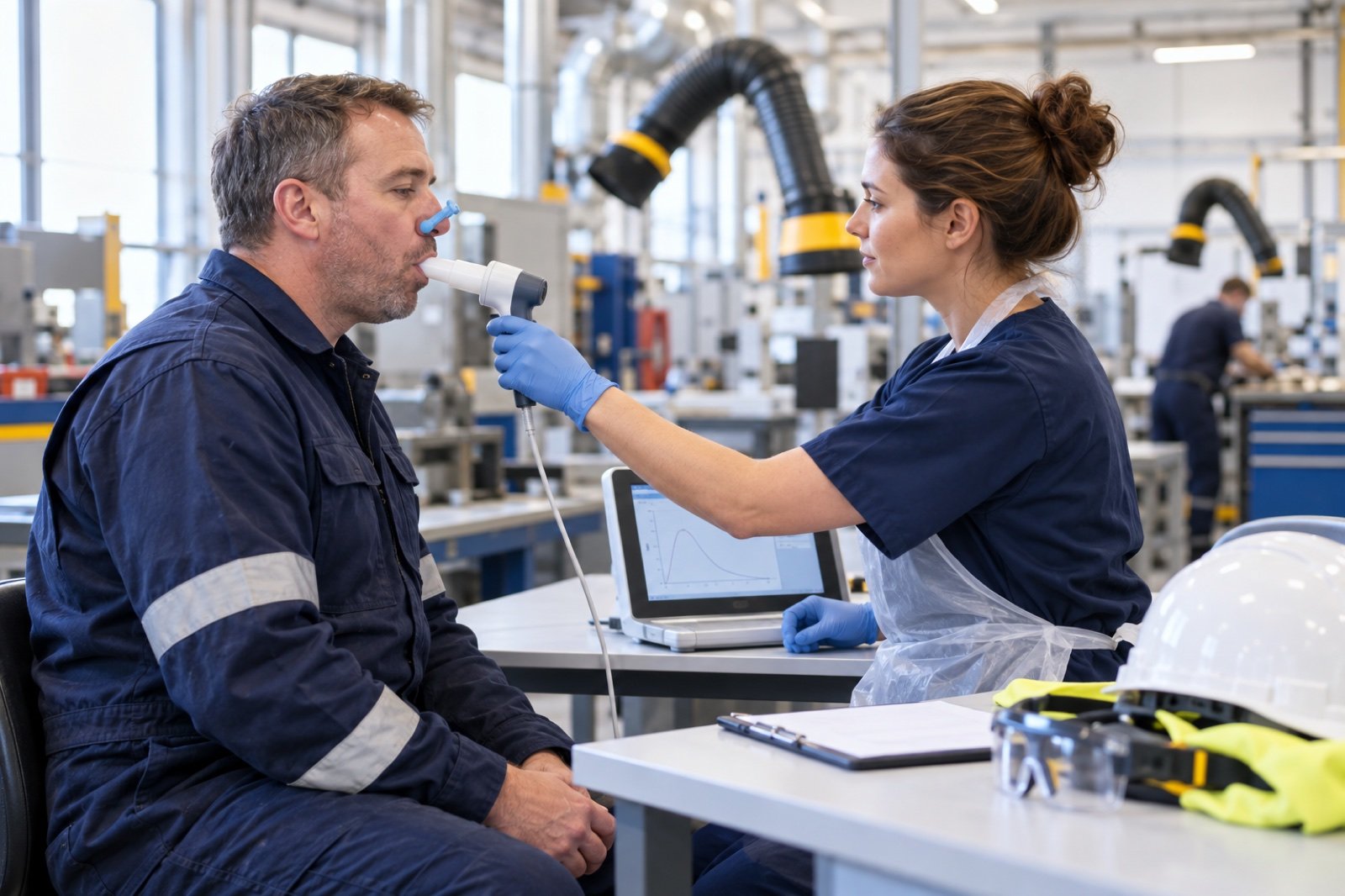
Health surveillance gets treated as an afterthought by a lot of employers, until an inspection or a claim makes it very much not an afterthought. Here's what's actually required, in plain terms.
The exposures that trigger a legal duty
- Hand-arm vibration (HAVS), for anyone regularly using vibrating tools or machinery
- Noise, where exposure regularly exceeds the upper action value
- Respiratory hazards, including dust, fumes and certain chemical exposures
- Dermal exposure, for workers in regular contact with skin sensitisers or irritants
If any of these apply to your workforce, the Health and Safety at Work Act and associated regulations place a duty on you, as the employer, to have a surveillance programme in place, not just a one-off assessment.
What a compliant programme actually looks like
A proper programme has a baseline assessment, periodic re-testing at an appropriate interval, and a clear process for what happens when a result flags a concern. That last part is where a lot of programmes fall down, testing without a doctor reviewing and acting on the results isn't really surveillance, it's just paperwork.
Why this protects you as much as your staff
Beyond the legal duty, a documented, doctor-reviewed programme is exactly what you want in place if a claim is ever brought. It shows you identified the risk and acted on it consistently, which is a very different position to explain than having no records at all.
We run health surveillance programmes on-site across the UK, for single sites and multi-site employers alike. If you're not sure what applies to your workforce, that's a quick conversation, not a big commitment.